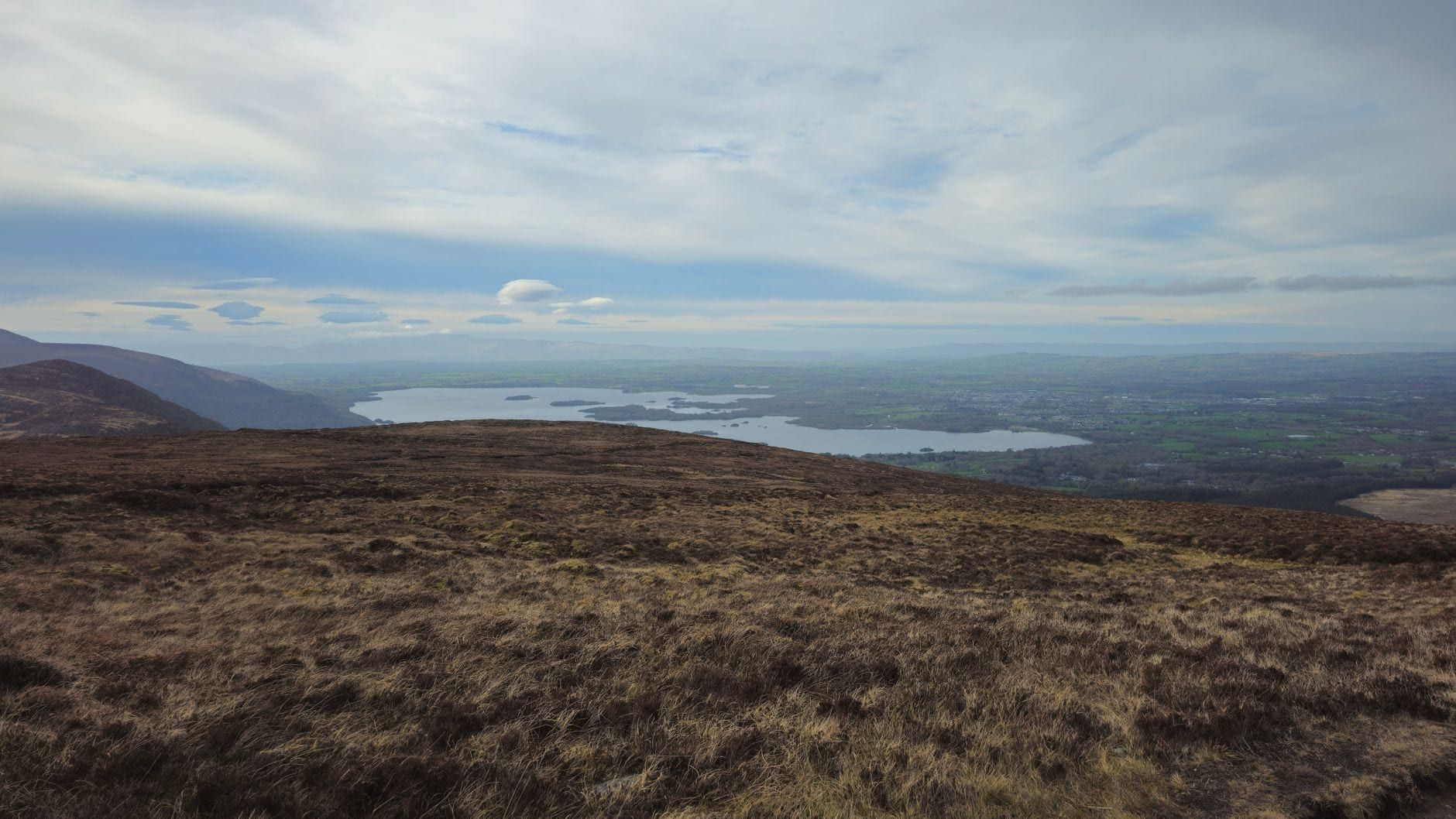
Autumn on the Ring of Kerry runs September through November, and it sits in the sweet spot between summer's coach convoys and winter's short, wet days. Road congestion drops noticeably once mid-September hits and the big tour buses thin out. Temperatures stay workable into October, and Killarney National Park's oak and yew woodland turns gold just as the resident red deer start their annual rut. Treat the three months as one block, though, and you'll get caught out — a mid-September afternoon and a late-November one look nothing alike on this route.
This guide runs through what changes month by month: temperature, rainfall and daylight hours, exactly when foliage and the rut peak, what starts closing on the Skellig Ring as the season turns, and how to pack and drive the 179km loop once the light starts fading by mid-afternoon.
Why Autumn Is One of the Best Times to Drive the Ring of Kerry
Autumn beats summer for one simple reason: fewer buses. Road congestion on the Ring drops noticeably after mid-September, and parking at Ladies View or the Kerry Cliffs stops being a fight. Compared with winter, more stays open, the roads haven't turned into a storm gauntlet yet, and the weather still holds — expect daytime highs of 14-16°C and lows of 8-10°C across the season, sliding toward single figures as November closes in.
September, October and November aren't the same trip, though. September behaves like a quieter, drier tail end of summer: shoulder-season conditions, highs near 17°C, and around 110mm of rain. October cools toward 13°C by day and brings closer to 140mm of rain, but it's also when the foliage and the red deer rut both peak — a fair trade for most visitors. November is the closest to winter of the three: the shortest days, the wettest weather, and the first small businesses shutting for the year.
Autumn suits photographers chasing low, warm light, couples who want the viewpoints to themselves, and repeat visitors who've already done the summer version. Anyone who wants guaranteed sunshine and every single attraction open should still aim for June. Everyone else will find September in particular edges out summer on nearly every count — same route, half the traffic. For the history behind the places you'll pass, see our Ring of Kerry background guide.
Weather, Daylight and Road Conditions Month by Month (September, October, November)
Rain and daylight move fast across the three autumn months, and the numbers are worth knowing before you pick your dates.
| Month | Daytime High | Daylight | Rainfall |
|---|---|---|---|
| September | ~17°C | ~13 hours | ~110mm (driest of the three) |
| October | ~13°C | ~10-11 hours | ~140mm |
| November | Cooler still, near-winter | ~9 hours | Highest of the autumn months |
Killarney averages around 1,400mm of rain a year, roughly double London's, so waterproofs are non-negotiable at any point in autumn, not just November. The 179km loop takes about 3.5 hours of pure driving, but most visitors budget 5-8 hours once photo stops, lunch and an attraction or two get added in.
Daylight is what actually limits your day, not distance. September's 13 hours leave room for a lazy lunch and every viewpoint on the list. By November, with barely 9 hours between sunrise and sunset, the same route needs an earlier start and a shorter list — pick four stops instead of ten.
- September: relaxed pace, long lunch stops still work fine.
- October: leave by 9am and treat the Skellig Ring as a separate half-day.
- November: start at first light and plan for half the usual stops.
Autumn Foliage: Where and When to See the Best Colour
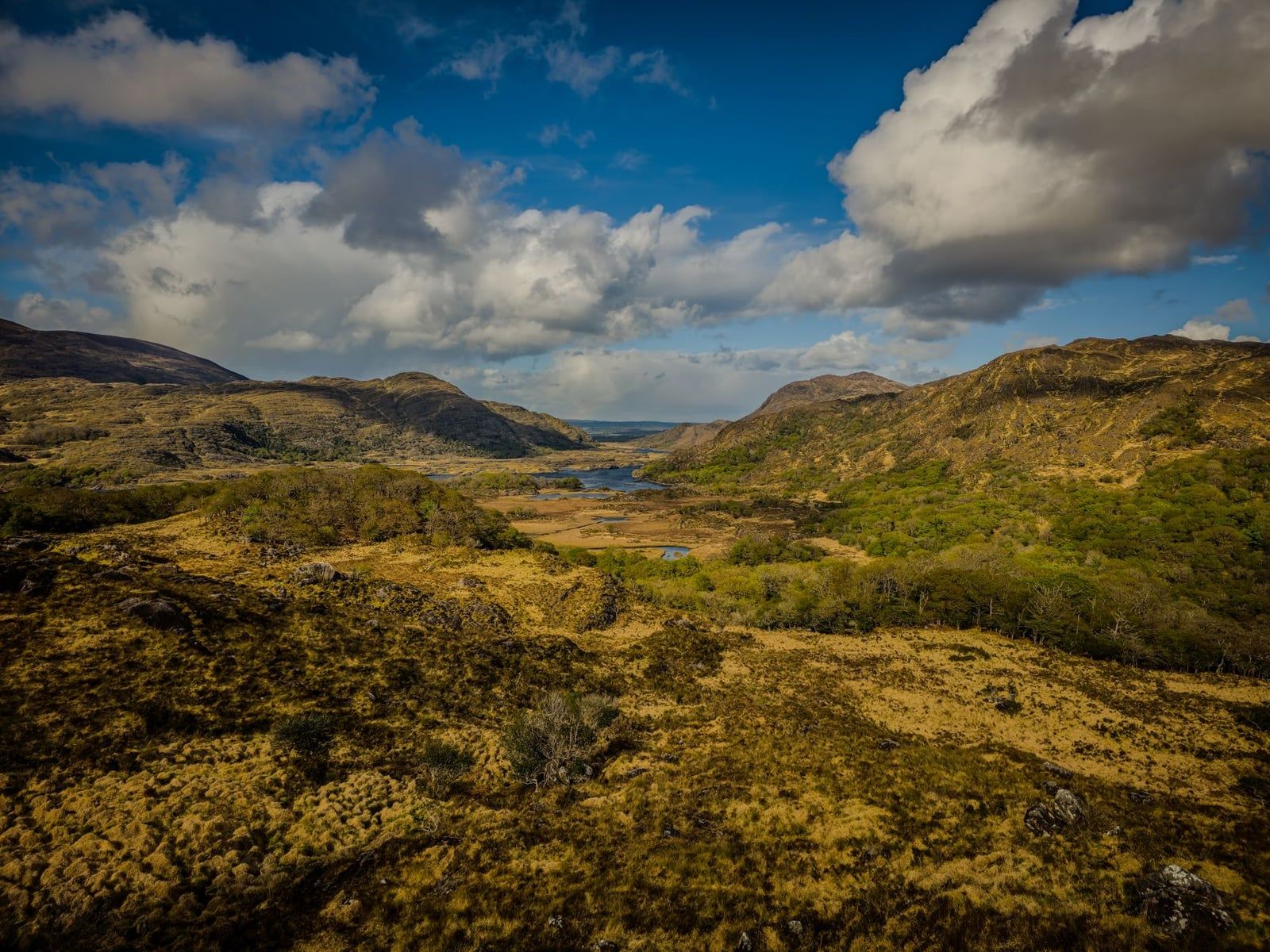
Killarney National Park's oak and yew woodland turns gold, copper and crimson from late September, holds through October, and fades into November in the more sheltered valleys around the lakes. It's the same 10,000-hectare woodland that shelters Ireland's only native red deer herd, so a walk built for the colour often turns up wildlife too.
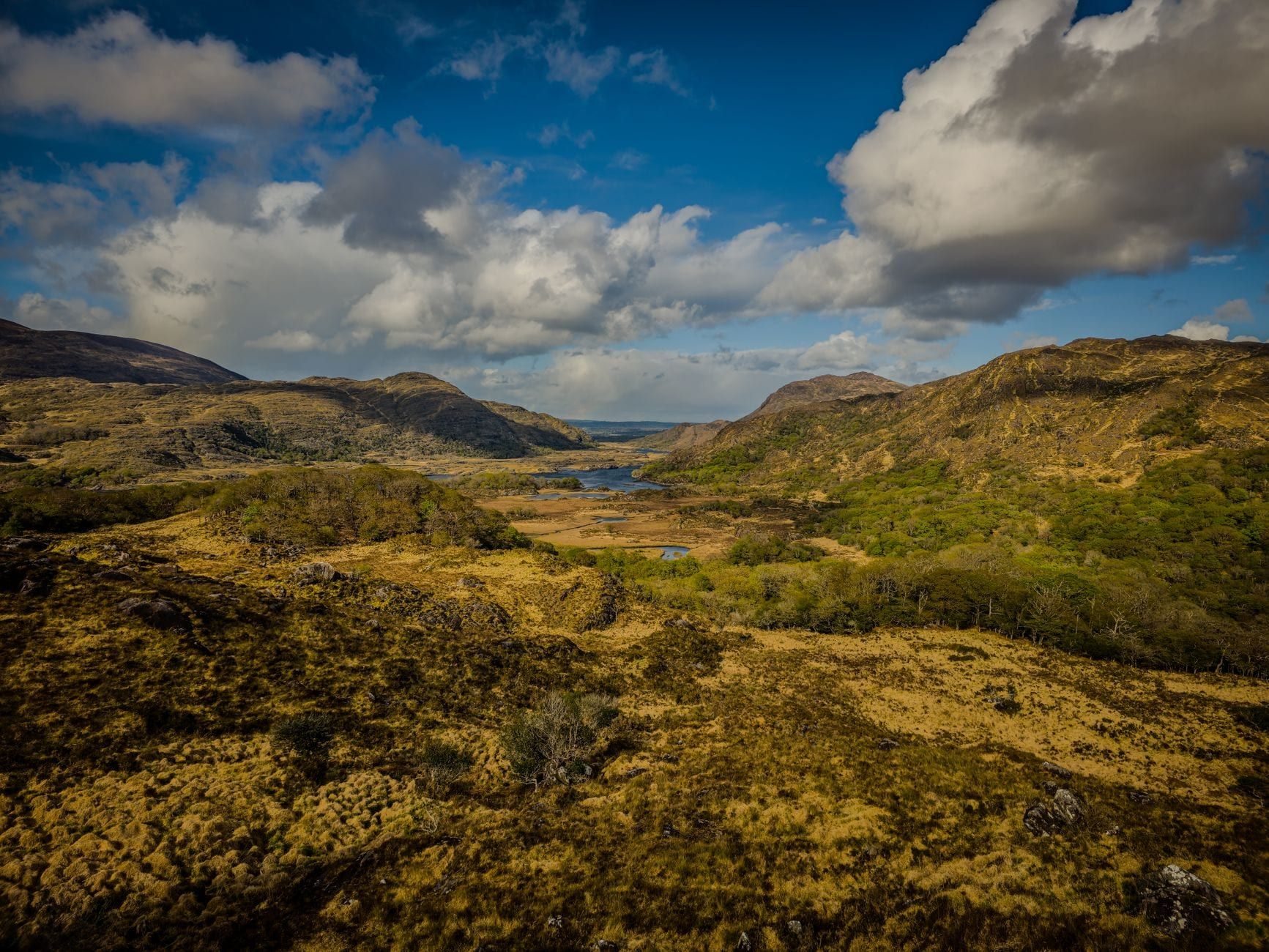
Ladies View is the single best frame for it — the same overlook where Queen Victoria's ladies-in-waiting stopped in 1861, with the lake chain running off toward the MacGillycuddy's Reeks and woodland turning on both shores. Moll's Gap catches equally good colour in late-afternoon light, and the short walk in to Muckross House passes some of the oldest oak stands on the route. For a fuller list of stops worth the detour, see our guide to every highlight on the route.
Autumn's low sun angle does the work for you: light stays warm and raking for longer than it does in summer, and mist often sits on the lakes at first light through October. Get to the viewpoints by 9am for calm water and the clearest reflections — wind tends to pick up by midday.
Autumn's Signature Wildlife Event: The Red Deer Rut
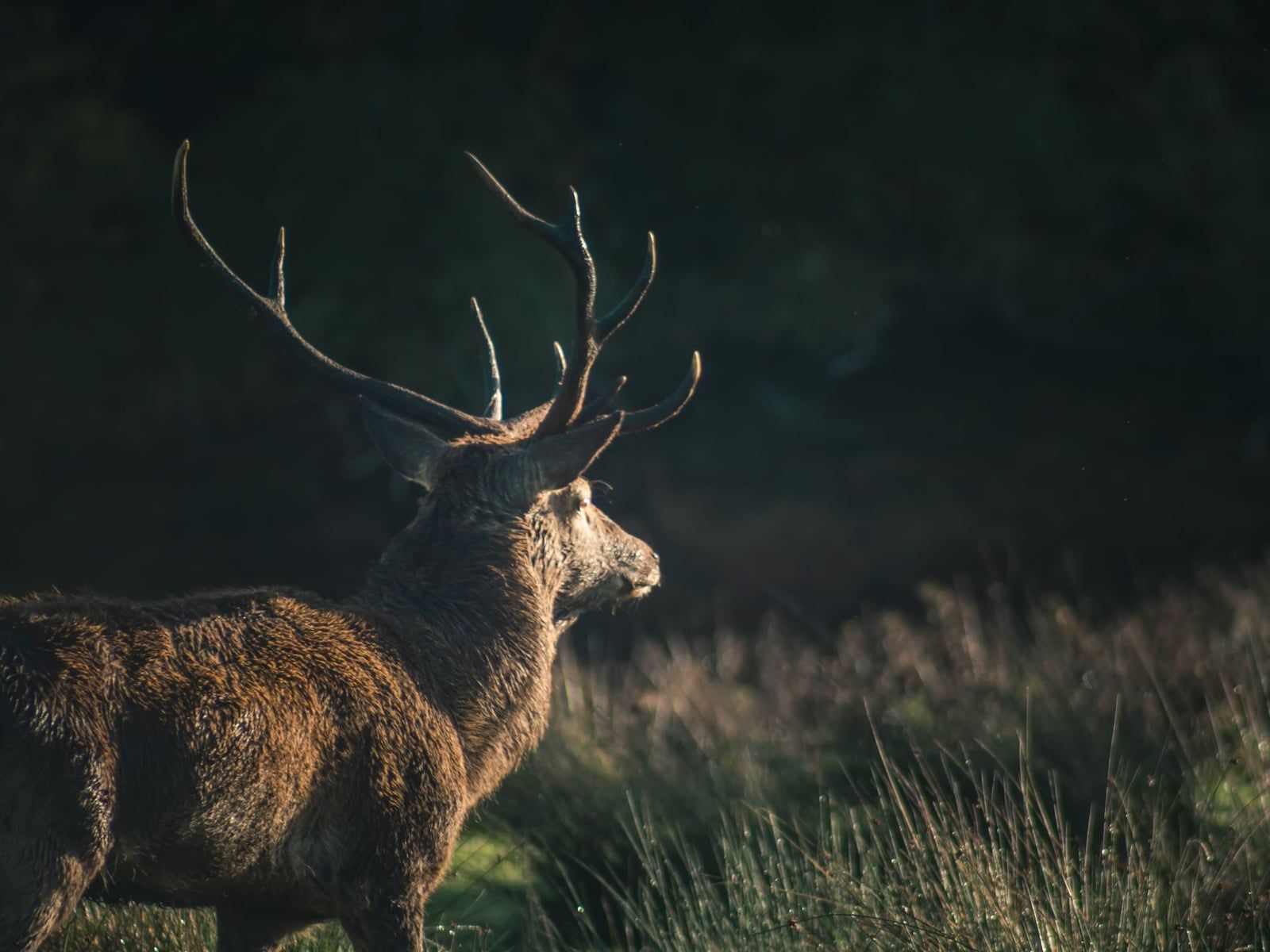
Killarney National Park holds Ireland's only wild native herd of red deer, present since the last Ice Age, and every autumn the stags compete for hinds across the open ground around the lakes. The rut runs from late September through October, peaking in the first two or three weeks of October, when the roaring — a deep, carrying bellow — often reaches you before the animals come into view.
Watch from the established trails around Muckross Lake and Ross Castle rather than cutting across open ground, and keep well back from any stag guarding a harem of hinds. They're genuinely aggressive during the rut. A boat trip on the lakes gives a wide, safe view of the shoreline without getting anywhere near a stag, and the Kerry Red Deer Society runs organised public walks through October if you'd rather have someone who knows where the herds gather.
Autumn also brings white-tailed sea eagles, otters along the lake shores, and migrating birds passing the coast. Ten minutes with binoculars at any quiet viewpoint beyond Killarney usually turns up something.
What's Open, What's Closing, and Crowd Levels
September is close to business as usual — nearly every attraction, cafe and B&B along the route is still open, and crowds are already lighter than August. Road congestion drops noticeably after mid-September as tour coach numbers thin out, which is most of the reason September earns its reputation as the smarter month.
October is when the season starts to turn. Some of the smaller hostels and B&Bs in remote villages, particularly around the Skellig Ring, begin closing for the year. Skellig Michael's landing tours stop entirely on 30 September, so from October the island trip isn't on the table at all — plan around the Kerry Cliffs and Portmagee instead if you're set on that detour.
November brings shorter hours everywhere that's still open. Muckross House runs 9:15am-6pm through September and October but drops back to 9:15am-5:30pm, last admission 4pm, from November, and several smaller operators close outright until spring. Check current opening hours and entry fees before building a November itinerary around any single attraction.
Book accommodation ahead regardless of the month. Options in small Skellig Ring villages shrink fast once autumn sets in, and the handful of places still open fill up with the travellers who know to plan around it.
Best Autumn Stops and Detours on the Route
Autumn's advantages — quieter roads, softer light, a shrinking window before things close — make some stops better bets than others. These five make the most of the season.
Killarney National Park
Killarney National Park earns half a day on its own in autumn: the woodland colour, the red deer rut and Muckross House's shorter season hours all sit on the same stretch of ground. Walk the lakeshore trails near Muckross for the colour and a decent chance at hearing stags roar across the water, then visit the house itself if the Victorian interior and jaunting-car rides interest you — it runs 9:15am-6pm with last admission 4:40pm through October, dropping to 9:15am-5:30pm from November.
Skellig Ring and Portmagee
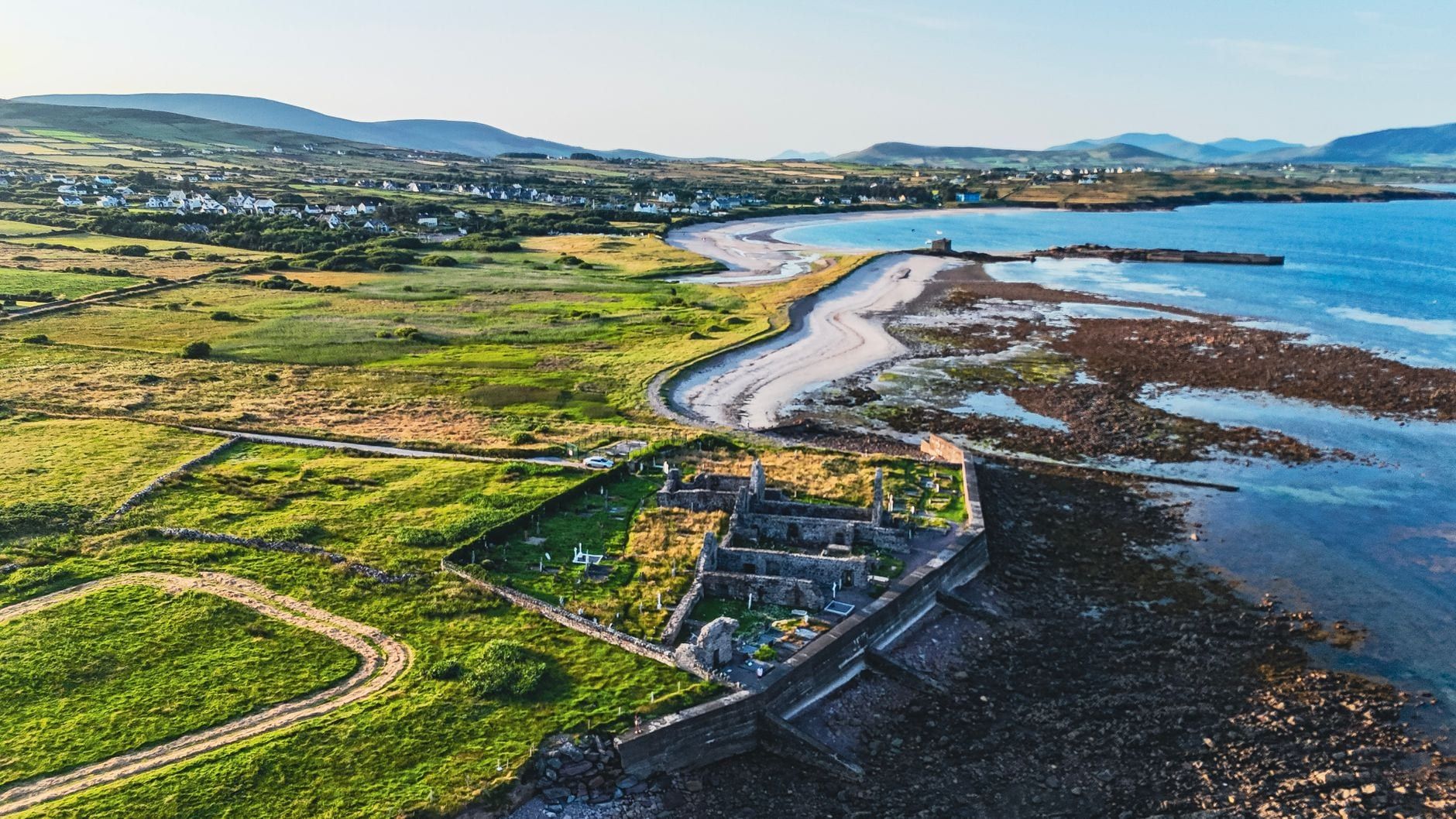
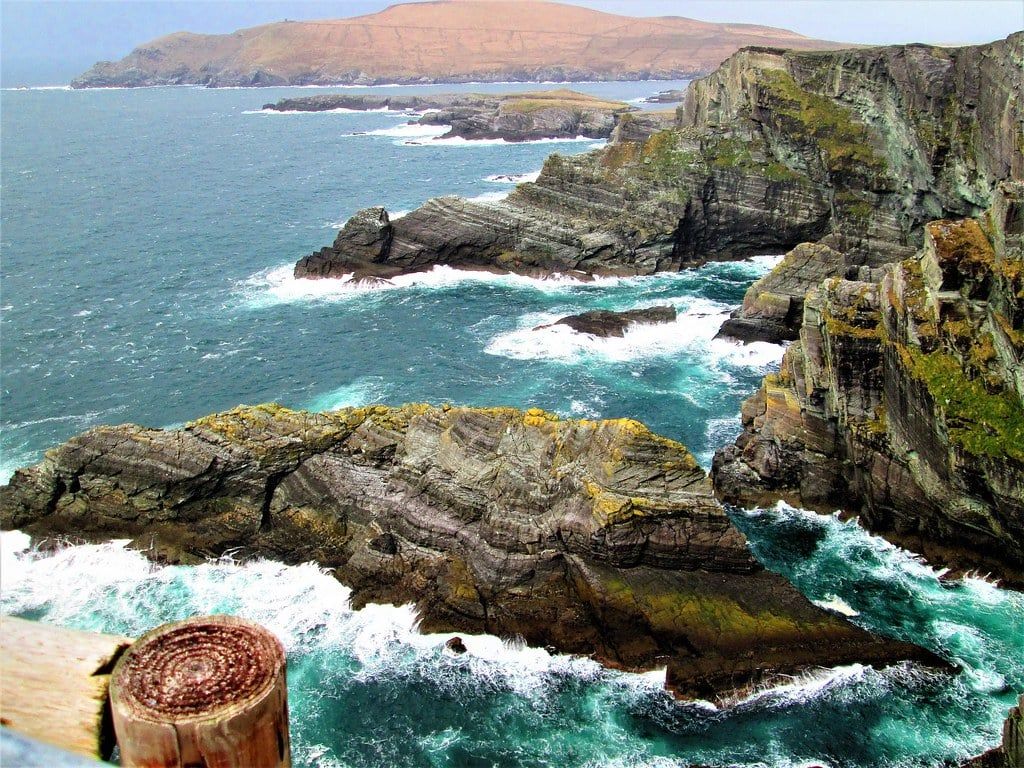
Large tour coaches can't fit down the Skellig Ring, so it runs quieter than the main N70 loop even in August, and autumn empties it out further. Follow it past St Finian's Bay and Valentia Island to the Kerry Cliffs — open daily 9:30am-6:30pm, weather permitting, for €5 per person — for some of the highest sea cliffs in Kerry and a clear look at the Skellig Islands offshore. Skellig Michael's own landing tours are done for the year by October, so this detour becomes about the cliffs and the villages, not the boat trip.
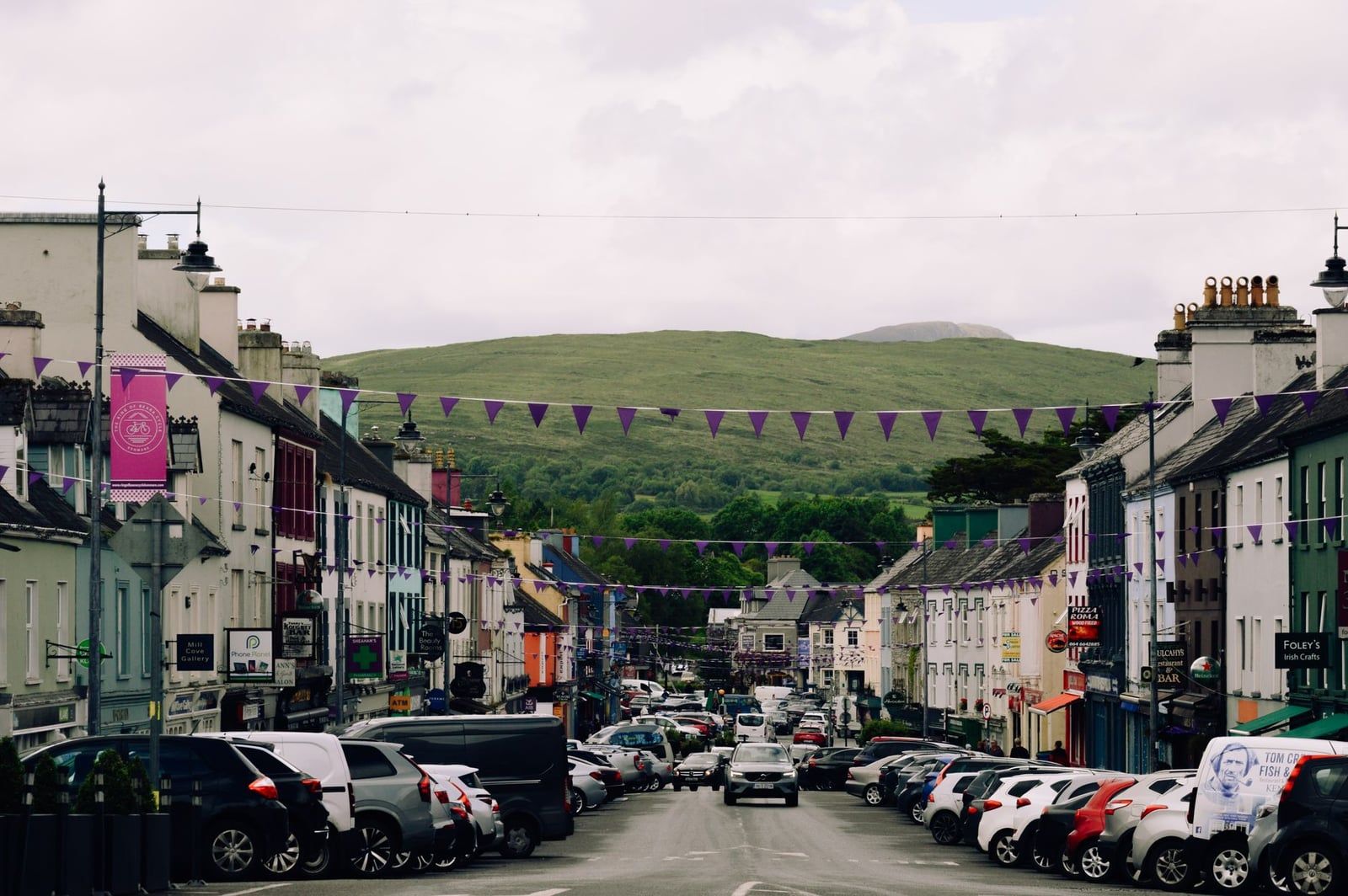
Kenmare and Killorglin Markets
Kenmare and Killorglin both run harvest markets through autumn, with stalls of local cheese, baked goods and whatever vegetable crop is coming in last. Kenmare doubles as the sensible lunch stop if you're driving clockwise — its lace-making shops and seafood restaurants stay busy without ever feeling packed once September ends.
Moll's Gap and Ladies View
Both viewpoints get their best light in the two or three hours either side of midday once the sun sits low in an autumn sky, rather than the flat overhead glare of summer. Parking that's a genuine fight in July opens right up by October, and you can linger at the rail without someone waiting behind you for the spot.
Ballaghisheen Pass
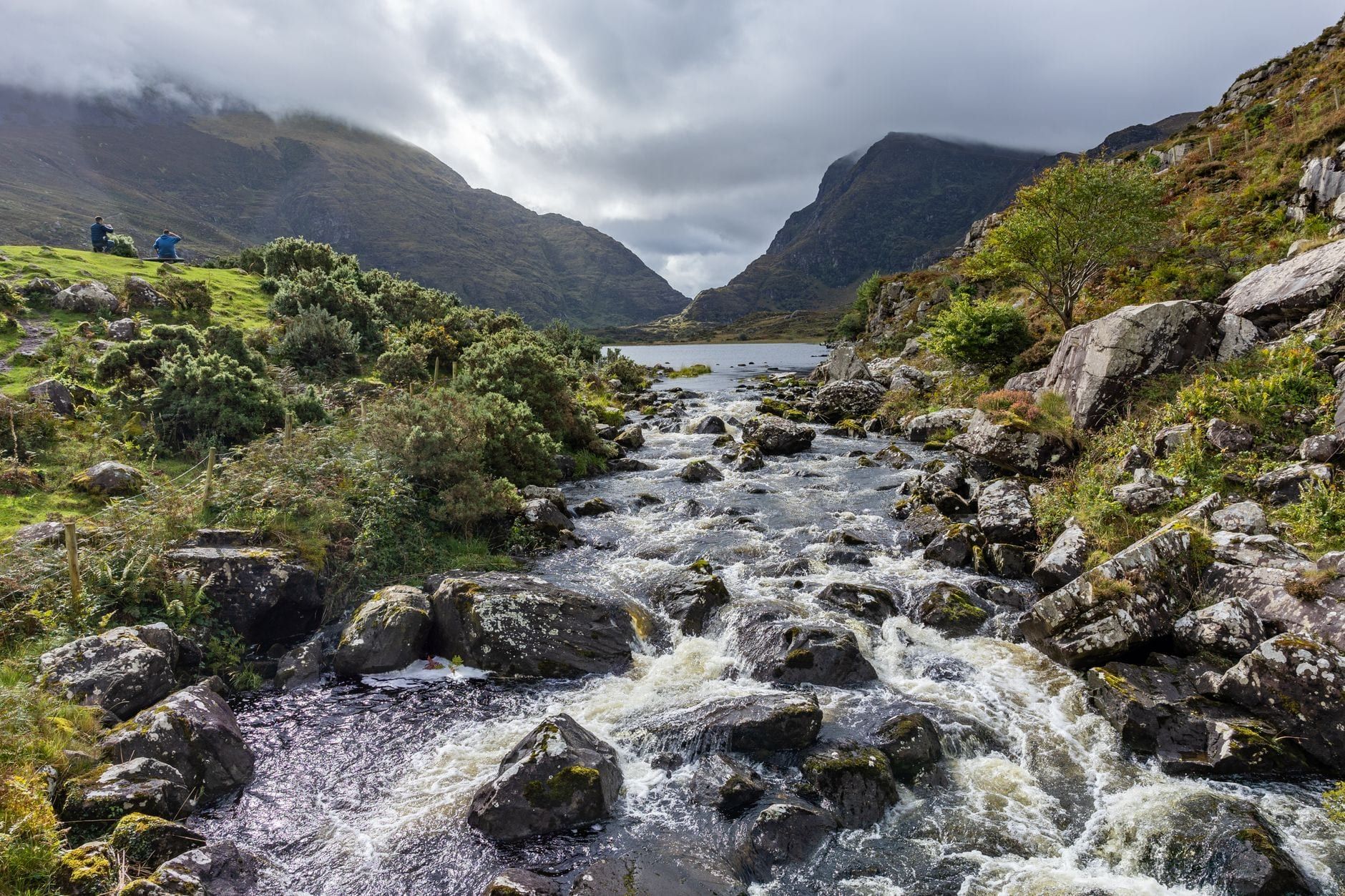
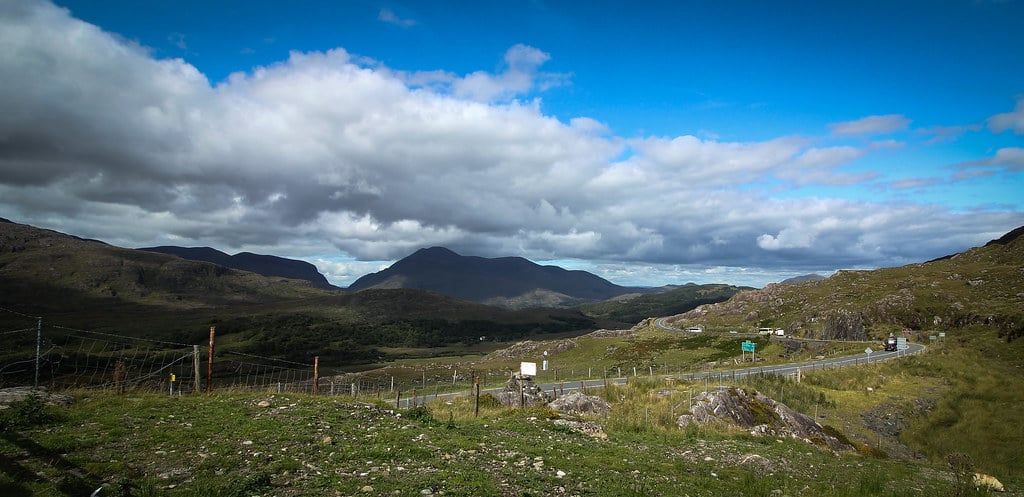
Ballaghisheen Pass, the back road linking Waterville to the Reeks over open moorland, carries a fraction of the Ring's main traffic even in peak season. With coach numbers already thin on the N70 by autumn, it's close to empty — a good detour if you want mountain and moorland views without another car in sight.
What to Pack and How to Drive Safely in Autumn
Pack for four seasons in one day. A waterproof jacket, a warm mid-layer and sturdy waterproof footwear cover most of what autumn throws at you, with a hat and gloves worth adding once November's cold sets in.
- Waterproof jacket and warm mid-layer for sudden showers
- Sturdy waterproof footwear for uneven ground at forts and cliffs
- Hat and gloves once November's cold arrives
- Offline maps for signal-dead stretches
Drive clockwise, via Kenmare first. Tour coaches run the Ring anticlockwise by convention, since the narrow roads make it hard for two buses to pass, and going the other way keeps you out of their convoys on the tightest sections. Wet roads and fallen leaves add another reason for caution on blind bends through October and November — ease off more than you would in summer.
Fuel stations cluster in the main towns — Killarney, Killorglin, Cahersiveen, Waterville, Kenmare — with long rural gaps between them, so fill up before leaving any of them. Mobile signal is patchy on the remote coastal stretches and over passes like Moll's Gap, so download maps before you set out; check current route and transport options if you're arriving from further afield.
Once accommodation logistics get complicated in the shoulder season, a guided day tour, whether tours from Killarney or tours from Cork, takes the parking and timing decisions off your hands. If narrow, unfamiliar roads make you nervous, a driving audio tour handles the navigation while you drive.
Frequently asked questions
Is September or October better for visiting the Ring of Kerry?
September is milder (highs near 17°C), drier (~110mm of rain) and gives about 13 hours of daylight. October cools to around 13°C and gets closer to 140mm of rain, but foliage and the red deer rut both peak that month. Pick September for easier driving conditions, October for colour and the rut.
When is the red deer rut in Killarney National Park?
It runs from late September through October, peaking in the first two or three weeks of October. Stags can be aggressive while guarding hinds, so watch from established trails and keep your distance.
Do I need to book accommodation in advance for an autumn Ring of Kerry trip?
Yes, especially in small villages near the Skellig Ring, where many hostels and B&Bs close for the season starting in October. Booking ahead matters more off-peak, not less, since the remaining options fill quickly.
How many daylight hours will I have to drive the Ring of Kerry in autumn?
About 13 hours in September, dropping to roughly 9 hours by November. Start earlier and plan fewer stops as autumn progresses.
Is Skellig Michael still open for boat tours in autumn?
No. Landing tours run only from 9 May to 30 September, weather permitting, so autumn visitors won't be able to land on the island. The Kerry Cliffs and Portmagee still make a worthwhile detour without the boat trip.
What should I pack for the Ring of Kerry in autumn?
A waterproof jacket, a warm mid-layer, sturdy waterproof footwear, and a hat and gloves once November arrives. Layering matters more than any single heavy item given how fast Atlantic weather changes.
Is the Ring of Kerry less crowded in autumn?
Yes. Road congestion and tour coach numbers drop noticeably after mid-September, making parking at Ladies View and the Kerry Cliffs easier than in July or August.
Which is the best month in autumn for foliage on the Ring of Kerry?
Late September through October is peak colour in Killarney National Park's oak and yew woodland, sometimes lingering into November in sheltered valleys around the lakes.